What Is a Security Audit and Why Mumbai Businesses Need One Before a Breach Occurs
A security audit finds the physical gaps in your premises, guards, access control and CCTV before a breach does. Here is what it covers, why Mumbai businesses and residences need one, and how to choose the right security auditing company.
All the businesses in Mumbai no matter whether they are located in BKC or in MIDC have one thing in common: criminals can target their staff, their premises, their equipment and their access points. The situation is identical with respect to the city's high-value homes and installations and the people who reside in or work at them.
Because of this, an increasing number of organisations and families are now hiring security auditing companies to identify and correct any physical vulnerabilities before an unauthorised entry or incident occurs. The article deals with what a physical security audit consists of, the reasons why Mumbai requires special attention, and how to select the appropriate security auditing company for your property, home or business.
What constitutes a security audit?
A security audit is an independent examination of the extent to which a site or property and the people who use it are protected against theft, unauthorised access, misconduct and specific threats.
A trustworthy security auditing company will adhere to a systematic approach which includes:
- Physical site and perimeter risk assessment, including boundaries, lighting, entry points and blind spots
- Access control and gate procedures for staff, visitors, vehicles and contractors
- Guard deployment review: post placement, shift coverage, training and supervision
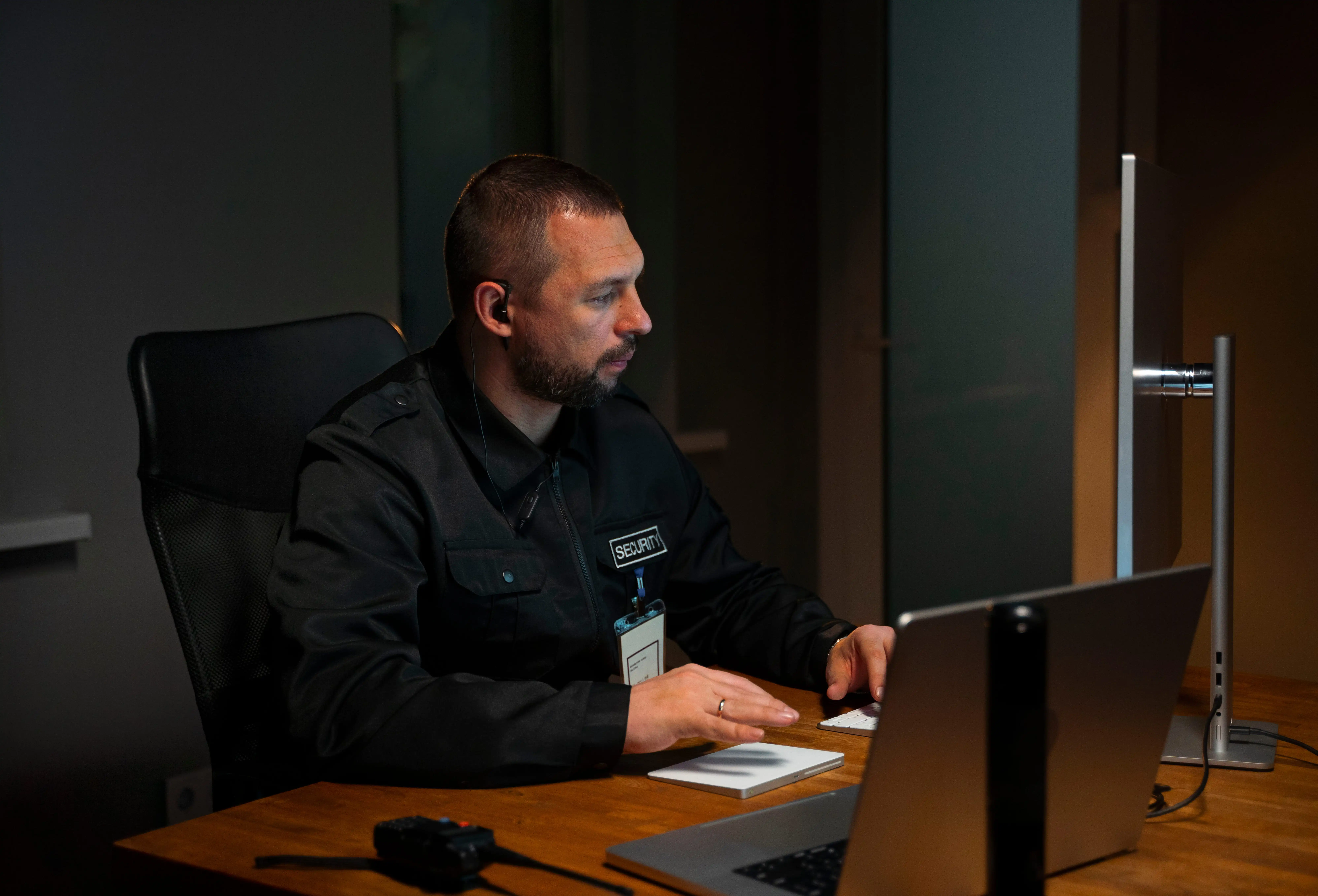
- CCTV and electronic security coverage gaps, including camera placement, alarm response and control-room monitoring
- Vulnerability checks for residences and high-value installations
- VIP movement and threat assessment, covering routes, arrival and departure points, and predictable routines
Why Mumbai Businesses and Residences Face Increased Risk
Mumbai serves as India's financial centre and hosts corporate organisations of all sizes and in all industries. Since so many banks, NBFCs, insurers and similar companies are based there, there is also a large concentration of assets that thieves are after. The city also has a large number of high-net-worth individuals, and the locations of their residences as well as their everyday movements can draw unwanted attention.
Various local factors increase the level of risk:
- High business concentration increases the likelihood of criminal activity spilling over between neighbouring premises
- The large presence of BFSI (Banking, Financial Services and Insurance) firms makes the city a target for theft, fraud and unauthorised entry attempts
- Rapid, unplanned expansion leaves many smaller businesses and residences without adequate physical security measures
- Monsoon flooding, power cuts and poor visibility can disable gates and cameras and create gaps in patrol coverage
What Can Go Wrong If No Audit Has Been Performed
Businesses and households usually recognise the value of a security audit only after one of the following:
- Theft or fraud, resulting in direct financial loss
- Unauthorised entry into premises, or a threat to staff, family members or a principal
- Negative publicity that damages the reputation of the organisation
- Legal issues arising from theft, workplace accidents or non-compliance with safety regulations
- Operational disruption and the time and cost of recovering from a security incident
A single case of theft, an instance of fraud or a failure in respect of safety can cause operations to be disrupted and will take a great deal of time and money to sort out. As the Economic Times has reported, shrinkage resulting from theft and other associated losses in the major Indian retail chains rose sharply in fiscal year 2024, some large chains noting that their losses had nearly doubled on an year-on-year basis. It is much more cost-effective to carry out a security audit before an incident occurs than to repair the damage that comes after it.
Advantages of Regular Audits
Whatever the sector, and whether the site is a corporate office, a private residence or a high-value installation, a regular security audit helps by:
- Identifying and closing potentially harmful physical vulnerabilities
- Improving guard performance and the discipline of access control
- Increasing staff and household awareness of safety and security protocols
- Strengthening the organisation's reputation with clients and suppliers
- Preparing the premises for insurance requirements
When a good security auditing company prepares its reports, it bases each one on the previous report, which means that if audits are carried out repeatedly, the security will continuously improve. For more information on VictorSquad's security consultancy services, please visit https://victorsquad.com/services.
How to Select a Reputable Security Auditing Company
Auditing firms with experience that are based in Mumbaiwill deal with an audit request in a different way according to the location and the individuals concerned. When you are evaluating the various providers, consider:
- The background of the audit team, including experience in close protection, site security and guard management
- The scope of the audit: whether it covers physical security, electronic security such as CCTV and alarm coverage, and personal protection needs together
- The quality of the final recommendations: some reports give far more practical insight than others
- The company's ability to help implement the recommendations, from guard deployment to electronic security upgrades
You will also have to choose between using an external auditor and an internal auditor. External auditors are able to give an impartial assessment of your present position and have specialist experience, but external audits are usually more expensive and take longer than internal reviews. The firm's reputation is very important since it affects the actual value of the work they provide.
Conclusion
A one-off security audit should not be carried out; instead, it is an continuous action aimed at protecting any organisation, residence or individual which has valuable people, property or assets. It is more cost-effective to work with a competent security auditing consultant in Mumbai before an incident occurs than to handle the repercussions afterwards.
The military veterans who run VictorSquad will have their security team visit your premises, prepare a security plan for you and assist you in getting ready to deal with a crisis. If you would like to arrange a consultation with security consultants who meet military standards, please get in touch with VictorSquad.
Frequently Asked Questions
1. How often should a security audit be carried out?
The annual audit is ideal, with extra inspections carried out every quarter; the appropriate frequency will vary according to the value of the site, the fact of high-profile people living or working there, and whether or not there have been recent incidents or changes to the premises.
2. How long does an audit take?
The time required will vary depending on the size and complexity of the site; a small business or a single house might take only a few days, whereas a large campus or a multi-site organisation could take several weeks to examine thoroughly.
3. Doesn't a security audit simply involve putting in more cameras?
Not at all; a full audit examines people, premises, and procedures as a single unit. It looks at perimeter and access control, the positioning of guards, and the electronic coverage such as CCTV, ensuring that the equipment, the procedures, and the personnel function as part of one system.
4. What is the difference between a security audit and a fire safety audit?
While a security audit considers broadly the risks of theft, fraud, intrusion and those arising from targeted threats relating to people, buildings and procedures, a fire safety audit concentrates on fire prevention systems, the readiness for evacuation and compliance with fire safety regulations.
4. What is the difference between a security audit and a fire safety audit?
5. Is it also necessary for small and medium enterprises in Mumbai to have one?
Yes, it is because they are smaller and less prepared that small and medium-sized enterprises are frequently the ones that are targeted, whereas larger companies have better protection and are therefore less attractive to thieves.